
Sciatica vs. Low Back Pain | Dublin, OH Chiropractor
Low back pain and sciatica are often confused, but the symptoms, causes, and treatment approach can be different. Learn how to recognize the difference and when it may be time to have your symptoms evaluated.
Sciatica vs. Low Back Pain: What’s the Difference?
Low back pain and sciatica are often talked about as though they are the same condition, but there is an important difference.
Low back pain is usually felt primarily in the lumbar area of the spine and may involve aching, stiffness, soreness, or restricted movement.
Sciatica typically involves irritation or compression of a nerve root in the lower back and can cause pain, numbness, tingling, or weakness that travels from the lower back or buttock into the leg.
At The Centre – Chiropractic & Wellness in Bridge Park, Dublin, OH, we regularly see patients who are unsure whether the discomfort they are experiencing is ordinary low back pain, sciatica, or a combination of both.
Understanding the difference is an important first step toward choosing the right type of care.
What Is Low Back Pain?
Low back pain refers to discomfort in the lumbar region of the spine — the area between the bottom of the rib cage and the pelvis.
Symptoms can range from a mild ache or stiffness to sharper pain that limits bending, lifting, walking, exercise, or other everyday activities.
Common causes and contributing factors may include:
Muscle or ligament strain
Prolonged sitting
Poor lifting mechanics
Repetitive movements
Joint irritation
Disc-related problems
Age-related degenerative changes
Sports or exercise injuries
Poor workstation ergonomics
For many people, the discomfort remains primarily in the lower back, although it may sometimes extend into the hips or buttocks.
Low back pain is extremely common and does not automatically mean that a nerve is involved.
What Is Sciatica?
Sciatica describes symptoms that follow the pathway associated with the sciatic nerve.
The sciatic nerve is formed by nerve roots originating in the lower spine and travelsthrough the buttock and down the leg.
When one of these nerve roots becomes irritated or compressed, symptoms may travel away from the lower back and into the leg.
Common sciatica symptoms include:
Pain traveling through the buttock and down the leg
Burning or electric-like pain
Tingling or “pins and needles”
Numbness in the leg or foot
Leg or foot weakness
Symptoms that worsen with prolonged sitting
Pain aggravated by coughing or sneezing
Sciatica most commonly affects one side of the body, although symptoms and severity vary considerably from person to person.
Sciatica vs. Low Back Pain: The Biggest Difference
The easiest way to think about the difference is where the symptoms travel.
Low Back Pain
Pain tends to remain primarily in the:
Lower back
Lumbar muscles
Sacroiliac region
Sometimes the upper buttocks or hips
It may feel achy, stiff, sore, sharp, or restricted.
Sciatica
Sciatica is more likely to produce symptoms that travel into the:
Buttock
Back or side of the thigh
Calf
Ankle
Foot
It may also produce numbness, tingling, burning, or weakness.
Someone can have low back pain without sciatica, sciatica with relatively little back pain, or both conditions at the same time.
What Causes Sciatica?
Sciatica occurs when a nerve root contributing to the sciatic nerve becomes irritated or compressed.
Potential causes include:
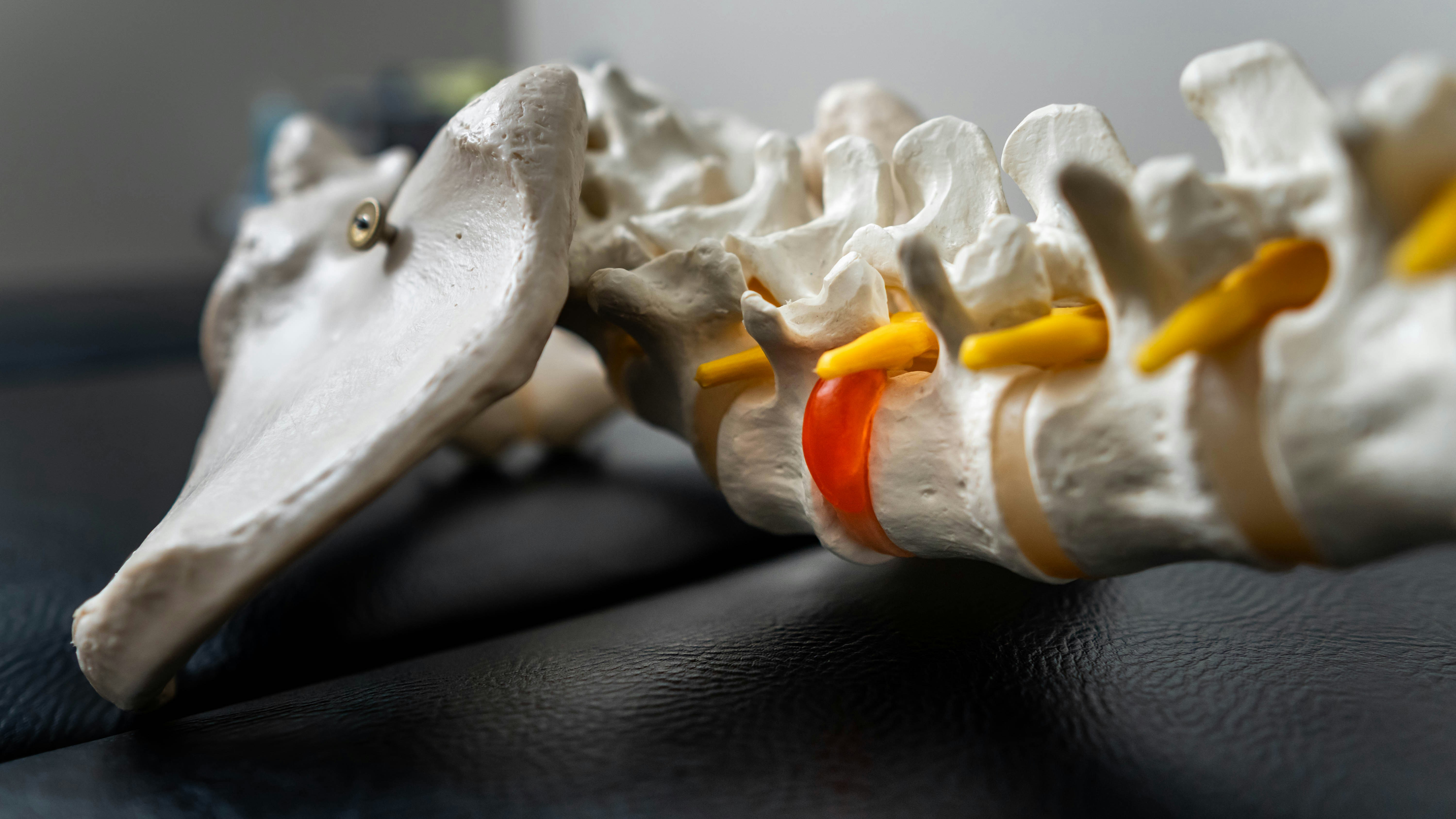
Herniated or Bulging Disc
A disc in the lumbar spine can protrude and irritate a nearby nerve root. This is one of the most common causes of sciatica.
Degenerative Changes
Age-related changes in the joints and discs of the lower spine can reduce the amount of space available for spinal nerves.
Spinal Stenosis
Narrowing of the spinal canal or openings where nerves exit the spine can place pressure on nerve structures.
Spondylolisthesis
One vertebra may shift relative to another and contribute to narrowing around a nerve root.
Inflammation or Irritation Around a Nerve Root
Not every patient with radiating leg pain has a dramatic structural abnormality. Irritation and inflammation around the nerve can also contribute to symptoms.
Because several different conditions can produce similar symptoms, an examination is important before assuming that leg pain is sciatica.
How Can You Tell If Your Pain Might Be Sciatica?
Consider where the symptoms are occurring.
Pain that stays mainly in the lower back is more consistent with localized low back pain.
Symptoms are more suggestive of sciatica when they:
Begin in the lower back or buttock
Travel down one leg
Extend below the knee
Include numbness or tingling
Feel burning, shooting, or electric
Include weakness in the leg or foot
The location of the symptoms alone cannot provide a complete diagnosis, but it can offer an important clue.
Can Sitting Make Sciatica Worse?
For some people, yes.
Prolonged sitting can increase pressure through the lower back and may aggravate symptoms associated with certain disc and nerve-root conditions.
This can be particularly relevant for people who spend much of the day:
Working at a desk
Driving
Commuting
Traveling
Sitting through long meetings
For patients working in Dublin, Bridge Park, Northwest Columbus, or the surrounding area, long periods at a computer followed by a commute can create a lot of accumulated sitting time during the day.
Changing positions regularly, taking short walking breaks, and maintaining an ergonomic workstation may help reduce unnecessary strain.
How Is Low Back Pain or Sciatica Evaluated?
The goal of an evaluation is not simply to identify where it hurts. It is to determine which structures may be contributing to the symptoms and whether there are signs of nerve involvement.
At The Centre – Chiropractic & Wellness, an evaluation may include:
Discussion of your symptoms and health history
Orthopedic examination
Neurological testing
Strength and reflex testing when appropriate
Range-of-motion testing
Postural and movement assessment
Evaluation of the lumbar spine, pelvis, hips, and surrounding muscles
Diagnostic imaging when clinically indicated
The findings help determine whether conservative chiropractic care is appropriate or whether additional medical evaluation is recommended.
Can Chiropractic Care Help With Sciatica?
Some patients with low back pain or sciatica may benefit from conservative care that includes manual therapy, exercise, movement recommendations, and other individualized strategies.
Chiropractic treatment may include:
Chiropractic Adjustments
Manual treatment can be used to improve joint mobility and address areas of restricted spinal movement.
Soft Tissue Treatment
Muscle tension around the lower back, pelvis, and hips can contribute to discomfort and altered movement.
Stretching and Mobility
Specific exercises may be recommended based on the patient's examination findings and tolerance.
Strengthening and Rehabilitation
Improving trunk, hip, and lower-extremity strength can be an important part of managing recurring back problems.
Activity and Ergonomic Recommendations
Small changes in sitting, lifting, exercise, and workstation setup can sometimes make a significant difference in symptom aggravation.
Treatment should be individualized because not every case of sciatica has the same cause.
When Sciatica Needs Medical Attention
Most episodes of low back pain and sciatica are not medical emergencies, but certain symptoms require prompt evaluation.
Seek immediate medical attention if back or leg symptoms are accompanied by:
New loss of bowel or bladder control
Significant or rapidly worsening leg weakness
Numbness involving the groin or saddle area
Severe symptoms following major trauma
You should also seek medical evaluation for persistent or worsening symptoms, unexplained weight loss, fever, or other concerning systemic symptoms.
Recognizing these warning signs is an important part of determining the appropriate level of care.
Sciatica and Low Back Pain Care in Dublin, OH
At The Centre – Chiropractic & Wellness, Dr. Matthew Lundeberg evaluates patients with low back pain, radiating leg pain, sciatica, and other musculoskeletal complaints.
Our office is located at 6678 Riverside Dr. in Bridge Park, Dublin, Ohio, inside MESH Fitness.
Dr. Lundeberg has been practicing chiropractic since 2000 and provides individualized care based on each patient's history, examination findings, symptoms, and goals.
We regularly serve patients from Dublin, Powell, Hilliard, Worthington, Upper Arlington, Plain City, Marysville, and Northwest Columbus.
For additional information about localized back pain, visit our Back Pain Relief page.
For more information about radiating nerve symptoms, visit our Sciatica & Neuropathy information page.
Frequently Asked Questions
Is sciatica the same thing as low back pain?
No. Low back pain describes discomfort primarily located in the lumbar region. Sciatica describes symptoms associated with irritation of nerve roots that contribute to the sciatic nerve and often involves pain, tingling, numbness, or weakness traveling into the leg.
Can you have sciatica without back pain?
Yes. Some people experience significant buttock or leg symptoms with very little discomfort in the lower back.
Does sciatica always travel all the way to the foot?
No. Symptoms can stop in the buttock, thigh, calf, or another location along the nerve pathway. The pattern depends on which nerve structures are affected.
Is numbness or tingling a sign of sciatica?
It can be. Sciatica may cause pain, numbness, tingling, burning sensations, or weakness in the leg or foot. Other conditions can produce similar symptoms, so an examination is helpful.
Should I rest if I have sciatica?
Extended bed rest is generally not recommended for uncomplicated low back pain or sciatica. Staying reasonably active within your tolerance is often preferred, although activities that significantly increase symptoms may need to be modified.
Do I need an MRI for sciatica?
Not necessarily. Imaging is not routinely required for every case of low back pain or sciatica. Imaging may be considered when examination findings, persistent symptoms, progressive neurological changes, trauma, or other clinical factors make it appropriate.
Not Sure Whether It’s Sciatica or Low Back Pain?
If pain is staying in your lower back, traveling into your leg, or causing numbness or tingling, an evaluation can help determine what may be contributing to your symptoms.
The Centre – Chiropractic & Wellness is conveniently located in Bridge Park in Dublin, OH.
New patients can schedule a consultation with Dr. Matthew Lundeberg to discuss their symptoms, receive an examination, and determine whether chiropractic care is appropriate.
Same-day appointments are often available. We accept many major insurance plans and can help verify your benefits.
Book Your Free Consultation today!